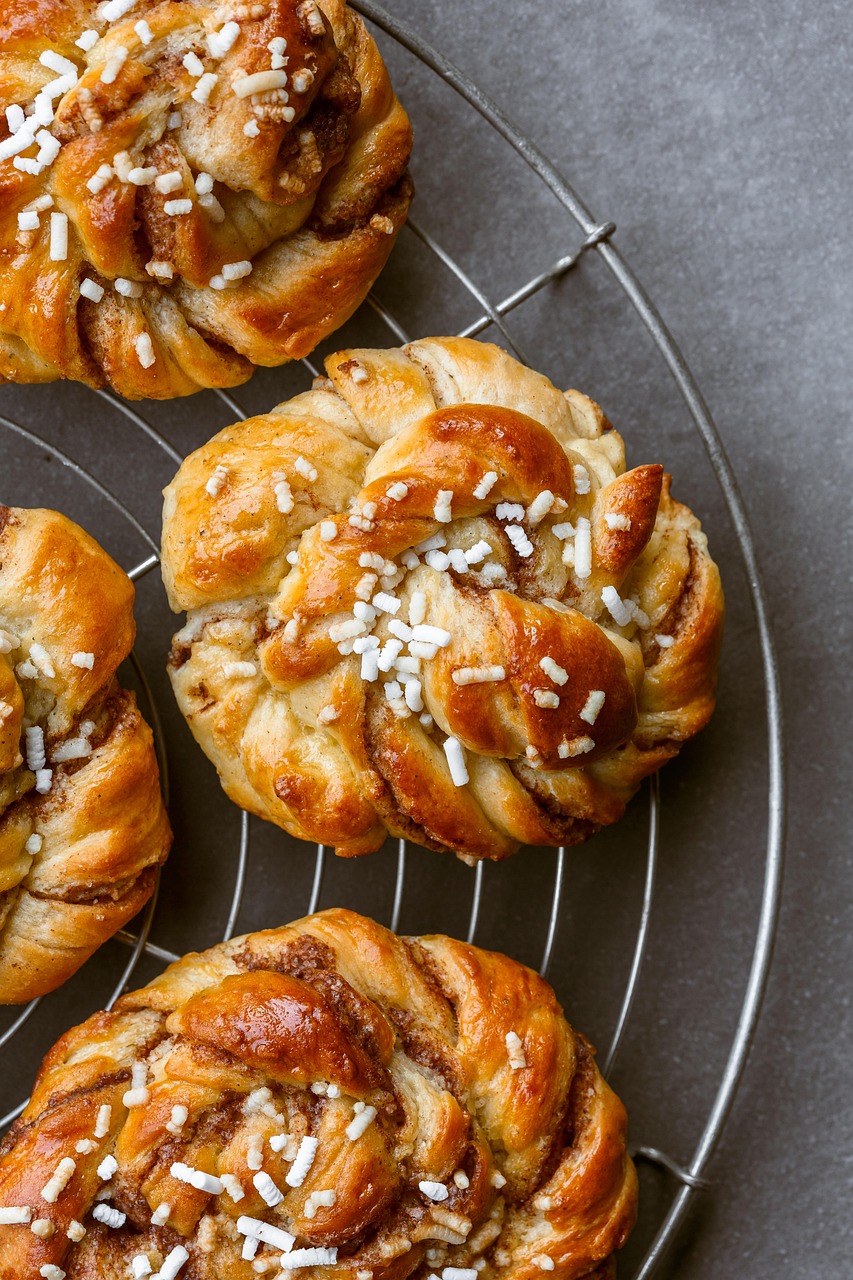
In Sweden, coffee isn’t just a drink—it’s a ritual. Known as fika, this tradition is woven deeply into Swedish culture and daily life. At first glance, fika might look like a simple coffee break, but it’s much more than that. It represents a pause in the day, a chance to slow down, connect with others, and enjoy the small pleasures of life.
What Is Fika?
The word “fika” comes from a playful inversion of the old Swedish word for coffee, kaffi. Over time, it evolved to mean not just the beverage, but the whole experience of taking a break with coffee, tea, or another drink—often paired with something sweet like cinnamon buns (kanelbullar), cookies, or cakes. While fika can happen at any time of the day, mid-morning and mid-afternoon are most common.
Unlike a rushed coffee run, fika is intentional. It’s about slowing down and appreciating the moment. Some Swedes even describe it as a state of mind—one that values balance, well-being, and togetherness.
A Social Ritual
At the heart of fika is connection. Friends meet for fika to catch up, colleagues step away from their desks to share ideas, and families gather at home to chat over pastries. Workplaces across Sweden often schedule fika breaks into the day, recognizing that productivity is enhanced when people feel refreshed and connected.
This social element makes fika different from a typical coffee break elsewhere. It’s less about caffeine and more about companionship. In fact, refusing to join a fika at work can sometimes be seen as distancing yourself from the team.
The Treats That Accompany Fika
No fika is complete without something delicious on the side. The most iconic is the cinnamon bun, celebrated annually on Kanelbullens Dag (Cinnamon Bun Day) every October 4. But fika tables also feature cardamom buns, cakes, cookies, and even savory options like open-faced sandwiches.
What matters most isn’t the specific treat but the sense of indulgence. Fika isn’t about counting calories—it’s about enjoyment and balance.
Why Fika Matters Today
In today’s fast-paced world, the Swedish tradition of fika feels especially relevant. It serves as a reminder to slow down, savor the moment, and nurture relationships. Taking a break during the day isn’t a sign of laziness—it’s a way to recharge, build stronger connections, and improve overall well-being.
Researchers often point out that such cultural practices contribute to Sweden’s high quality of life rankings. By normalizing pauses and social connection, fika helps reduce stress and strengthen community bonds.
Bringing Fika Into Your Life
You don’t have to live in Sweden to embrace fika. Start by setting aside time each day to pause with a cup of coffee or tea. Invite a friend, co-worker, or family member to join you. Put away distractions, enjoy a small treat, and focus on conversation. Even a short 15-minute fika can shift your mindset and leave you more energized for the rest of the day.